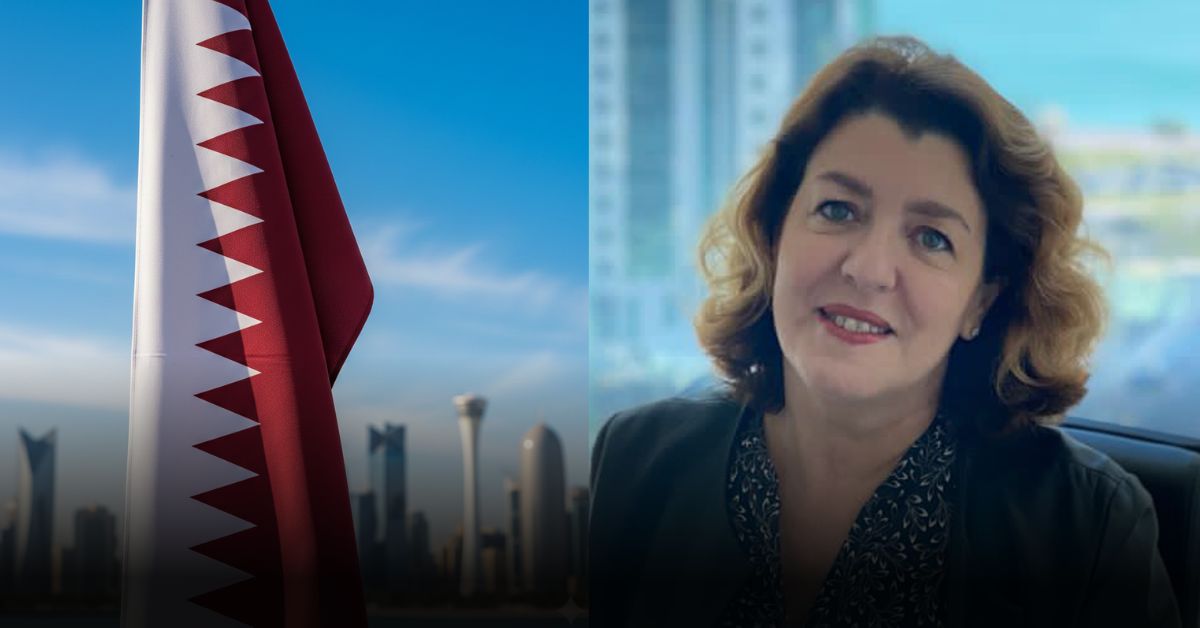
CFO Qatar Energy Sector: 2026 Strategic Guide
As of January 2026, the role of a Chief Financial Officer (CFO) in Qatar’s energy landscape has shifted from a back-office oversight role to a front-line strategic necessity. This isn’t just about managing a balance sheet anymore; it’s about navigating a post-NFXP (North Field Expansion) world where Qatar is officially set to hit its 142 MMTPA LNG production target.
If you’re a senior finance leader looking at Doha as your next career move, or an investor tracking the Qatar National Vision 2030 economic pillars, you need to understand one thing: the old “traditional accounting” playbook is dead. Today, the role is defined by Strategic Capital Architecture—the art of structuring multibillion-dollar energy deals while balancing carbon-neutrality mandates and fluctuating global gas prices. This guide isn’t a generic overview. It’s a deep dive into the specific financial pressures and massive tax-free opportunities currently defining the Doha energy hub in 2026.
1. Executive Compensation Trends (2026 Estimates)
The demand for financial leadership in Doha remains high. In 2026, Executive Compensation in Qatar’s Energy Sector reflects the scale of the projects, offering competitive base salaries and performance-based incentives linked to strategic LNG targets.
| Component | Estimated Annual Range (QAR) | Estimated Annual Range (USD) |
| Base Salary | QAR 1,200,000 – 2,400,000 | $330,000 – $660,000 |
| Performance Incentives | 30% – 50% of Base | $100,000 – $330,000 |
| Total Estimated Package | QAR 1.8M – 3.5M+ | $500k – $1M+ |
In my experience tracking the 2026 Qatar Energy market, focusing solely on the base salary is a rookie mistake. For a CFO, the true value lies in the “Supplemental Benefits” which, in the energy sector, can effectively double your net worth.
Premium Education Allowances: Schooling is a massive expense in Doha. While the market average is around QAR 80,000 per child, I’ve seen elite Energy Sector packages for 2026 that go as high as QAR 95,000 for senior leadership. This often covers full tuition at top-tier schools like Doha College or ASD (American School of Doha).
The Housing Strategy: It’s not just a housing stipend; it’s about location. Most C-suite executives are given a choice between the high-rise luxury of The Pearl-Qatar (for lifestyle) or the newer, high-tech business precincts of Lusail City (for proximity to the new QatarEnergy district).
Tier-One Healthcare: We aren’t just talking about basic insurance. CFO-level perks in 2026 typically include Global Bupa or Cigna Platinum tiers, ensuring the executive’s family has VIP access to private facilities like Sidra Medicine or Al Ahli without any out-of-pocket costs.
A Note on Salary Transparency: It is important to remember that these figures aren’t set in stone. In my observations of the 2026 Qatar Energy landscape, final compensation is highly fluid. Factors like your specific track record in LNG projects, the niche complexity of the role, and internal departmental budgets at the time of hiring will ultimately dictate the final offer. I always recommend using these numbers as a benchmark for negotiation rather than a fixed guarantee.
2. Industry-Specific Financial Oversight: Oil, Gas & LNG
A CFO in this sector serves as the guardian of Energy Capital Expenditure (CAPEX) Management. With the Ministry of Energy Qatar overseeing massive infrastructure, financial oversight is exceptionally rigorous.
Inside the 2026 Strategy: Core Focus Areas
Modern CFOs in Doha are shifting away from manual processes to focus on three high-impact areas:
-
Navigating “Mega-Train” Funding (NFS & NFW): CFOs are managing multibillion-dollar capital structures for North Field South (NFS) and North Field West (NFW) projects. This requires a masterclass in liquidity management to ensure projects stay on track for their late-2026 operational dates.
-
Predictive Revenue Intelligence: Utilizing data-driven models to forecast hydrocarbon revenues amidst global price volatility. With a significant portion of new LNG output being traded on the spot market, real-time “Alpha” is essential for $500-million decisions.
-
QatarEnergy Trading Strategy: As Qatar’s trading arm becomes a global heavyweight, the CFO manages sophisticated hedging strategies to protect margins against global price fluctuations.
3. Regulatory Landscape & E-A-T Compliance
To maintain E-A-T (Expertise, Authoritativeness, Trustworthiness), a modern CFO must master the interplay between local laws and international standards.
IFRS 18 Compliance
Effective January 1, 2026, new IFRS Accounting Standards require energy giants to present clearer income statements. CFOs must now ensure:
-
Categorization: Splitting income into Operating, Investing, and Financing categories.
-
Tax Compliance: Managing the 35% tax rate applicable to the Petroleum and Petrochemical sector.
-
Dhareeba Integration: Using the official digital tax portal for real-time reporting to avoid non-compliance penalties.
4. Digital Transformation in Finance
In Doha, the “manual” finance department is officially a thing of the past. As we enter 2026, the Office of the CFO in Qatar’s energy giants has moved beyond simple spreadsheets and into a role of digital architecture. I’ve noticed that the most successful leaders aren’t just looking at the books—they are building a tech-driven ecosystem to manage the billions flowing through the North Field expansion.
-
Next-Gen Treasury & Blockchain: We are seeing a massive shift toward blockchain-based liquidity management. For a CFO, this isn’t just a buzzword; it’s a tool to bypass legacy banking delays. Using tokenized deposits and stablecoins for cross-border payments, energy firms are now achieving near-instant settlement, which is a literal lifesaver when managing global supply chain volatility.
-
Agentic ERM (Enterprise Risk Management): Cybersecurity is no longer just an “IT problem.” In 2026, it is the top-tier operational risk on every board’s agenda. CFOs are now deploying agentic AI guardrails to monitor financial data in real-time, treating a data breach with the same financial gravity as a drop in oil prices.
-
Strategic M&A for Global Reach: Qatar’s 2026 strategy is clearly about “downstream dominance.” We are seeing bold Mergers and Acquisitions (M&A) as QatarEnergy and its subsidiaries expand their footprint across European and Asian markets. This isn’t just growth; it’s a calculated move to own the entire value chain, from the gas well in Ras Laffan to the retail pump in London or Singapore.
5. FAQs: Navigating the Executive Path in Qatar
Q1: Is Qatarisation a factor for C-suite roles?
A. While Qatarisation is a primary focus for many levels, C-suite roles in the energy sector remain open to international experts with extensive experience in large-scale energy projects and Big 4 backgrounds.
Q2: What are the preferred certifications?
A. Beyond a degree, professional credentials like CFA, CPA, or ACCA are standard requirements for senior finance leadership roles in Doha.
Q3: How do new tax regulations impact the role?
A. The focus has shifted toward Economic Substance Regulations, requiring CFOs to demonstrate that business entities have genuine, significant operations within Qatar.
Conclusion
In 2026, Qatar remains a premier destination for financial leaders. Success in this sector requires more than just technical skill; it demands the ability to lead a Digital-First Finance Function in a world of evolving regulations.
-
Explore openings at the QatarEnergy Careers Portal.
-
Attest all professional degrees via MOFA for the 2026 visa process.
Disclaimer
Reliability and Accuracy of Data: The financial data, executive salary benchmarks, and regulatory updates—specifically regarding IFRS 18 standards and the Dhareeba tax portal—contained in this guide are provided strictly for educational and informational purposes. While every effort has been made to ensure this content reflects the most accurate market trends as of January 2026, the Qatar energy sector and its fiscal regulations are subject to rapid and significant changes.